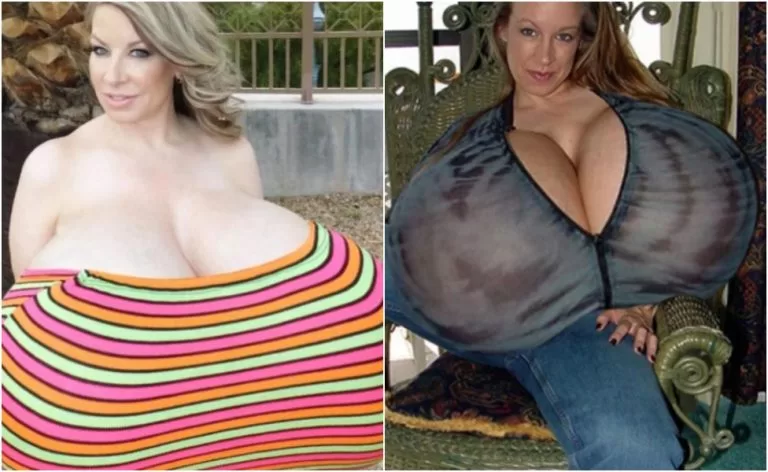
Many women’s desire for larger breasts is shaped by a mixture of evolutionary, social, and media influences rather than a simple universal preference. From an evolutionary‑psychology perspective, larger breasts — or at least particular breast shapes — may have historically signaled fertility, health, or maternal potential. However, evidence is mixed: one study found that while larger breasts increased perceived attractiveness, they did not reliably correlate with underlying biological quality.
Social and cultural norms also play a strong role. In many modern societies, media, fashion, and advertising frequently present larger breasts as a standard of femininity and desirability — influencing how women view their own bodies and what they consider attractive. Over time, this cultural messaging can lead many women to internalize a preference for larger breasts, even when personal tastes or natural preferences vary greatly.
Yet it’s important to recognize that individual preferences are quite diverse. Psychological research shows that many men and women actually consider medium or slightly above‑average breast size — often with firmness and shape as factors — to be most attractive. Moreover, the desire for breast augmentation or enlargement does not always reflect inherent biological needs, but often responds to societal expectations or self‑image pressures.
In the end, the attraction to larger breasts is not universal, but rather emerges from a complex interplay of biology, culture, media, and individual psychology. What matters most is recognizing that beauty norms are socially constructed — and that personal body preferences and comfort should take precedence over rigid “ideals.”