For many people, the idea of building a dream home remains just that — a dream slowly reshaped by practicality, finances, or the limitations of conventional thinking. Yet Will Brough refused to let those forces dilute the vision he had carried since the early 2000s. He imagined a home that would not just shelter him but express creativity, efficiency, and modern design in a way that felt personal and unconventional. Over the years, he searched for architects who could translate that vision into reality, only to face repeated disappointment. Designs were simplified, altered, or stripped of their originality until they no longer reflected what he wanted. Most people would have compromised or given up, but Will’s determination only sharpened. Instead of accepting a home that felt generic, he dismissed his design team and turned toward an idea still regarded with skepticism: constructing a residence out of stacked shipping containers. This decision set the stage for a project that eventually became the largest container home ever built — an eleven-container, three-story structure topped with a spectacular rooftop terrace, proving that persistence and imagination can reshape architectural expectations.
Transforming industrial containers into a livable, inviting home required both creativity and technical understanding. Containers are built to endure weather, weight, and global transport, not to make a family feel warm, comfortable, or inspired. Will approached the design process like assembling a massive three-dimensional puzzle, positioning each container with careful attention to how people move, how light enters a space, and how each area of a home should feel. Instead of allowing the inherent rigidity of the steel frames to limit him, he treated them as opportunities — elements that could be shaped, opened, reinforced, or combined to form an entirely new kind of domestic environment. He cut expansive windows to allow natural light to soften the industrial edges and to create long, clean sightlines that make the interior feel much larger than the containers’ original proportions. By removing strategic walls and inserting reinforcements where necessary, he created an open-concept interior with seamless transitions from room to room. The process demanded patience and structural precision, but it also demonstrated that container architecture can be both functional and beautiful when shaped through intention rather than novelty.
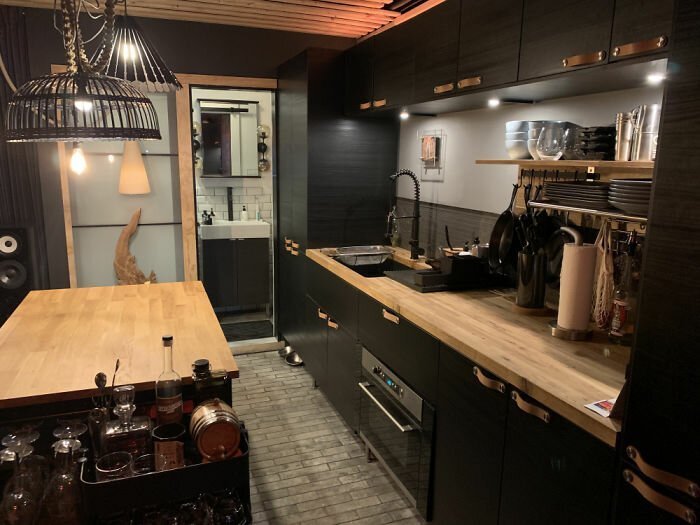
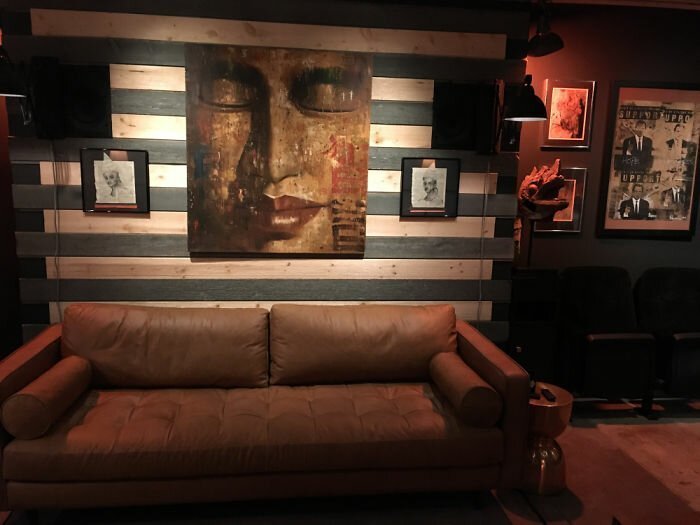
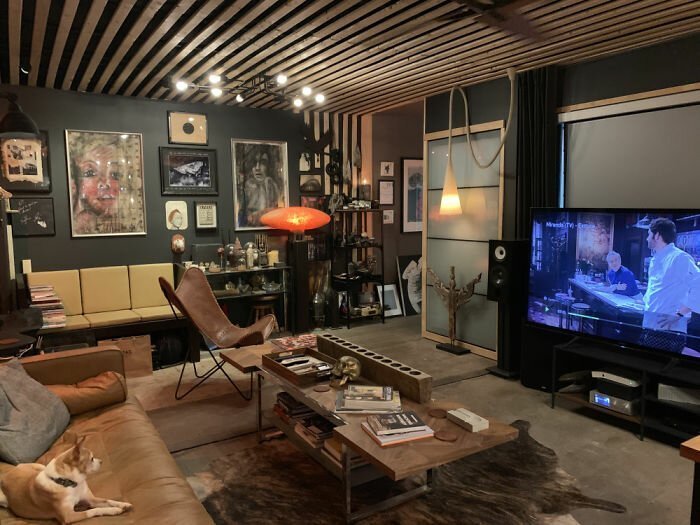
Inside the finished structure, the home stands as a balance of contrasts: steel paired with softness, industrial efficiency paired with modern elegance, bold geometry paired with smooth visual flow. Despite the metal bones, the spaces feel warm, airy, and thoughtfully curated rather than cramped or mechanical. The clean contemporary interior design softens the steel framework, while the subtle retention of the containers’ industrial character gives the home a unique identity that traditional materials cannot replicate. Rather than hide the home’s unconventional origins, Will chose to celebrate them, allowing the personality of the containers to become part of the artistry. The result is a visual language that feels fresh, future-oriented, and deeply personal. Every angle and opening — from the sightlines across the living areas to the interplay of window light with steel beams — reflects his original belief that innovation is not an obstacle but an invitation. This approach distinguishes the home not only as a feat of engineering but as a work of design that feels lived-in, functional, and emotionally resonant.
One of the most remarkable achievements of the project is the way it transforms what many consider an inflexible building method into a fluid, livable experience. The rigidity of steel containers has often led critics to claim that container homes feel cold or box-like, but Will’s design challenges that assumption. The strategic cutting and merging of containers create wide, breathing spaces that contradict the stereotype completely. Hallways open naturally into living zones, windows frame the world outside instead of limiting views, and each room feels intentional rather than improvised. The structure demonstrates how container architecture, when planned with artistry and engineering expertise, can deliver comfort equal to — and sometimes greater than — traditional homes. It also reveals how unconventional materials can redefine expectations of space, warmth, and practicality. Will’s willingness to push the boundaries of what a home can be shows the advantage of approaching design not as a checklist but as an evolving conversation between imagination and structure.
Above this architectural achievement sits the feature that elevates the home from remarkable to unforgettable: the rooftop terrace. Perched above the Houston skyline, the terrace provides panoramic views that transform sunsets, gatherings, and quiet evenings into moments filled with emotion, reflection, and gratitude. For Will, this space embodies the heart of the project — a place where the structure opens itself to the world and invites life to unfold against the backdrop of a living city. The terrace symbolizes the emotional reward of years of persistence, carrying the message that a home can be more than walls and rooms; it can be a vantage point that restores, inspires, and elevates day-to-day existence. This final touch is not simply an architectural flourish but a culmination of Will’s vision: a place where practicality meets beauty, where unconventional materials give rise to meaningful experiences, and where the dream becomes its fullest version of itself.
The completed eleven-container home stands today as a testament to determination, self-trust, and the power of refusing to compromise when a dream still feels alive. What began as a struggle to find designers willing to take risks became a personal journey of creativity and resilience. Will’s decision to take control of his own project illustrates how vision can survive years of setbacks when fueled by belief and effort. His home challenges assumptions about what is possible in residential architecture and inspires others to explore new approaches to design, materials, and personal expression. In the end, this home is not just a structure but a symbol — proof that unconventional ideas can shape extraordinary realities when someone is willing to think boldly, work patiently, and build without fear of standing apart.