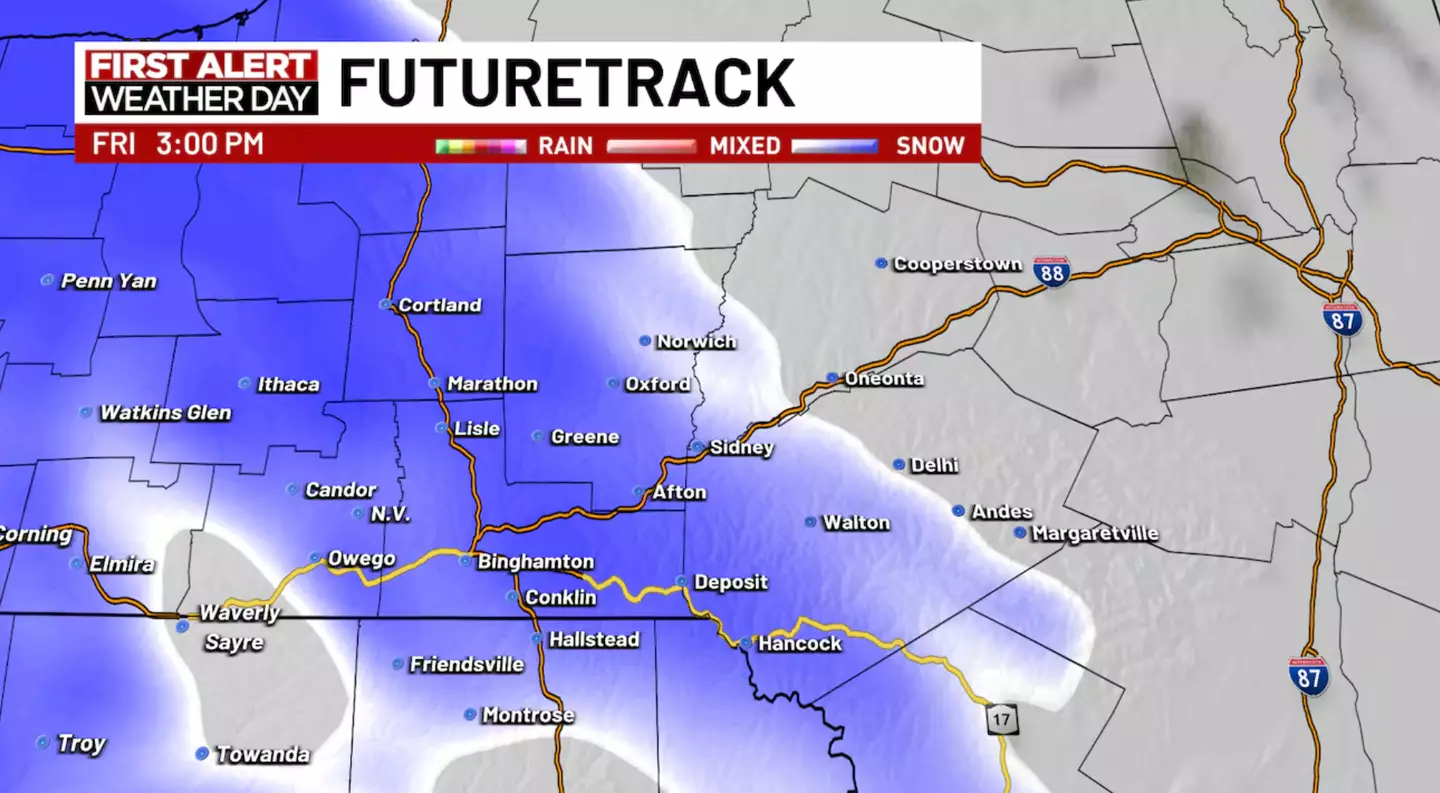
A powerful winter storm system is sweeping across large parts of the United States just as millions of Americans are traveling after Christmas. The storm — which meteorologists warned would bring snow, ice, and freezing rain — has prompted weather alerts for over 60 million people, especially in the Northeast, Great Lakes, and mid‑Atlantic regions. Snowfall, sleet, and bitter cold are expected to create treacherous conditions on roads, causing significant concern for both drivers and air travelers.
Hazardous travel conditions have already led to extensive disruptions at major airports and on highways. As of today, more than 1,600 flights were canceled and over 22,000 delayed nationwide, with the biggest impact clustered around key hubs like JFK, Newark, and LaGuardia in the New York area. Airlines including JetBlue, Delta, American, Republic Airways, and United have all reported high cancellation and delay numbers, and many carriers are offering weather waivers to affected passengers.
Forecasts indicate that parts of the Northeast, including New York City and surrounding states, could see 8 to 9 inches of snow, with localized snow bands producing even higher totals. Heavy snow combined with freezing rain and sleet is expected to make roads extremely slick, reduce visibility, and create dangerous driving conditions. Winter storm warnings and ice storm alerts remain in effect across multiple states, signaling the severe nature of the system.
Officials are urging residents and travelers to avoid non‑essential travel during the height of the storm. Temperatures well below normal will accompany the precipitation, allowing ice to form quickly on untreated surfaces. Icy highways and snow‑covered roads are expected to slow traffic and increase the likelihood of crashes. Power outages have also been reported in some affected regions, further underscoring the storm’s disruptive potential.
This storm comes at one of the busiest travel periods of the year, when millions of Americans are returning home or moving between holiday destinations. Estimates suggest that more than 120 million people may travel significant distances during the end‑of‑year holiday stretch, increasing the scale of possible delays and safety issues. The combination of heavy snow, ice, and high traffic volume could result in extended journey times, road closures, and continued airport disruption through New Year’s Eve.
Weather experts recommend that travelers monitor forecasts closely, check airline or road conditions before departure, and consider delaying trips if possible. For drivers, carrying winter emergency kits (including blankets, water, and food) and allowing extra travel time is strongly advised. Those flying should stay in close contact with their airlines for real‑time updates on cancellations and rebooking options. Patience and preparation remain key as the storm continues to unfold across a wide swath of the U.S. travel network.