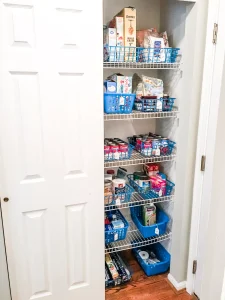
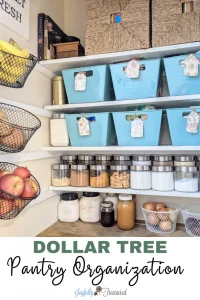
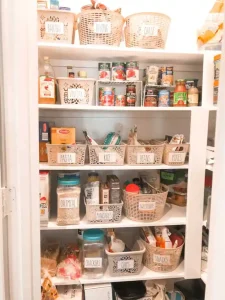
Transforming a cluttered, chaotic pantry into a calm and functional space may seem daunting, expensive, or time-consuming, but in reality, the process is approachable when guided by intention rather than perfection. Pantries naturally accumulate a wide variety of items—different shapes, sizes, and purposes—which can make even a spacious pantry feel disorderly without a clear system. The key to a successful transformation lies in shifting the mindset from achieving an idealized, showroom-ready space to creating a practical and supportive environment for daily life. When organization is framed as a tool to ease routines rather than a decorative goal, decisions about what to keep, how to group items, and how to structure storage become far simpler. A thoughtfully organized pantry reduces stress, speeds up meal preparation, and allows for smoother grocery planning. Beyond these functional benefits, the psychological effects of visual order are substantial: seeing everything in its place promotes a sense of control, reduces mental clutter, and makes the kitchen a more welcoming, intentional space. With a realistic, function-focused approach, anyone can create a pantry that feels manageable, supportive, and sustainable, regardless of budget or size constraints.
The foundation of a successful pantry transformation begins with a complete reset, which allows the space to be assessed clearly and honestly. Emptying all items from the pantry is often overwhelming at first, but it is an essential step that exposes hidden patterns, including duplicate purchases, forgotten goods, and unintentional category growth. This stage prompts careful decision-making about what to keep, discard, or donate, while also allowing for a thorough cleaning of shelves, corners, and containers. Measuring the dimensions of shelves ensures that future storage solutions fit properly, avoiding wasted money and the frustration of ill-suited bins. Resetting the pantry also encourages reflection on daily routines: frequently used items can be placed in accessible spots, while less common ingredients can be stored in less prominent areas. By preparing the space thoughtfully before introducing new storage, the project becomes more efficient, organized, and sustainable, reducing the likelihood that clutter will return and ensuring that the system supports real-life use.
A central component of a practical and affordable pantry organization system is the use of dollar store bins, which demonstrate that accessibility and budget-friendliness do not require sacrificing quality or aesthetic appeal. These bins are available in a wide range of styles, including clear plastics, wire designs, woven-look textures, and neutral-toned containers that blend seamlessly with diverse kitchen décor. Their affordability allows for experimentation, enabling homeowners to test different arrangements and adjust groupings without financial strain. Function-driven bin selection ensures each container has a clear purpose—whether holding snacks, baking supplies, or canned goods—and clear bins in particular improve visibility, reducing overbuying or forgotten items. Features such as handles and stackable designs maximize usability, especially on deep shelves or in limited spaces. Thoughtful selection of affordable bins creates visual consistency across the pantry, mimicking the polished look of high-end organization systems while remaining completely cost-effective, making budget-friendly solutions both practical and visually appealing.
Intentional categorization is what elevates a collection of bins into a cohesive and intuitive pantry system. Grouping items by usage rather than type often produces the most functional results, such as dedicating a zone to breakfast essentials, snacks, or quick-prep meals. Further breaking categories into smaller, specific subgroups prevents overcrowding and makes it immediately clear where each item belongs. Labeling reinforces this structure, eliminating guesswork and ensuring that the system is usable by all household members. Labels do not need to be elaborate or expensive; clarity and consistency are far more important than decorative flair. Placement within the pantry should reflect practical daily habits, with frequently accessed items at eye level and heavier or bulk items stored safely on lower shelves. Establishing zones and considering workflow transforms the pantry into a logical workspace, reducing time spent searching for ingredients and improving the overall cooking experience. Through intentional organization, the pantry becomes a functional extension of the kitchen rather than a disorganized afterthought.
Customization is critical to making a pantry system sustainable over the long term, as no two households have identical routines, dietary needs, or available space. Families with children might benefit from lower snack bins to promote independence, while small households may rely more heavily on vertical storage or over-the-door solutions to maximize space efficiency. Personal aesthetic choices can also be integrated without compromising functionality, whether through neutral color palettes, rustic textures, or minimalist clear bins. Small decorative elements, such as handwritten labels or subtle accents, can make the space feel inviting rather than clinical. A flexible system is crucial to accommodate changing habits over time, including alterations in diet, household size, or schedules. When the pantry reflects the real-world needs of its users rather than an idealized version of organization, it naturally remains orderly, as functionality aligns with lifestyle rather than imposed rules.
Maintaining an organized pantry is less about strict rules or constant effort and more about cultivating small, consistent habits that prevent clutter from returning. Regular weekly checks to return items to their designated bins, wipe down surfaces, and tidy shelves help preserve the order with minimal time investment. Periodic reassessment of categories ensures the system evolves alongside changing household needs, allowing sections to expand, contract, or be relocated as appropriate. The benefits of maintaining a clear and accessible pantry extend beyond convenience: it improves grocery efficiency, reduces food waste, and streamlines meal planning. When everything is visible and reachable, shopping becomes more intentional, planning meals is easier, and less food is forgotten or discarded. The psychological benefit of a calm, organized pantry also contributes to a sense of satisfaction, control, and well-being, reinforcing the idea that thoughtful organization is an act of self-care rather than a chore.
Ultimately, transforming a pantry into a functional, calm, and supportive space is both achievable and rewarding with patience, intentional planning, and affordable tools. By approaching organization with a clear mindset, completing a thorough reset, utilizing budget-friendly bins, implementing intentional categorization, allowing for household-specific customization, and maintaining the system with consistent habits, any pantry can evolve from a source of stress into a streamlined, efficient part of the kitchen. The process does not require perfection or expensive solutions; instead, it relies on realistic, purposeful decisions that align with everyday life. A well-organized pantry enhances cooking routines, reduces mental and physical clutter, supports intentional grocery shopping, and encourages sustainable food use. Most importantly, it transforms a neglected storage space into a visible reflection of order, calm, and practical self-care, proving that effective organization is accessible to anyone willing to invest a thoughtful approach.