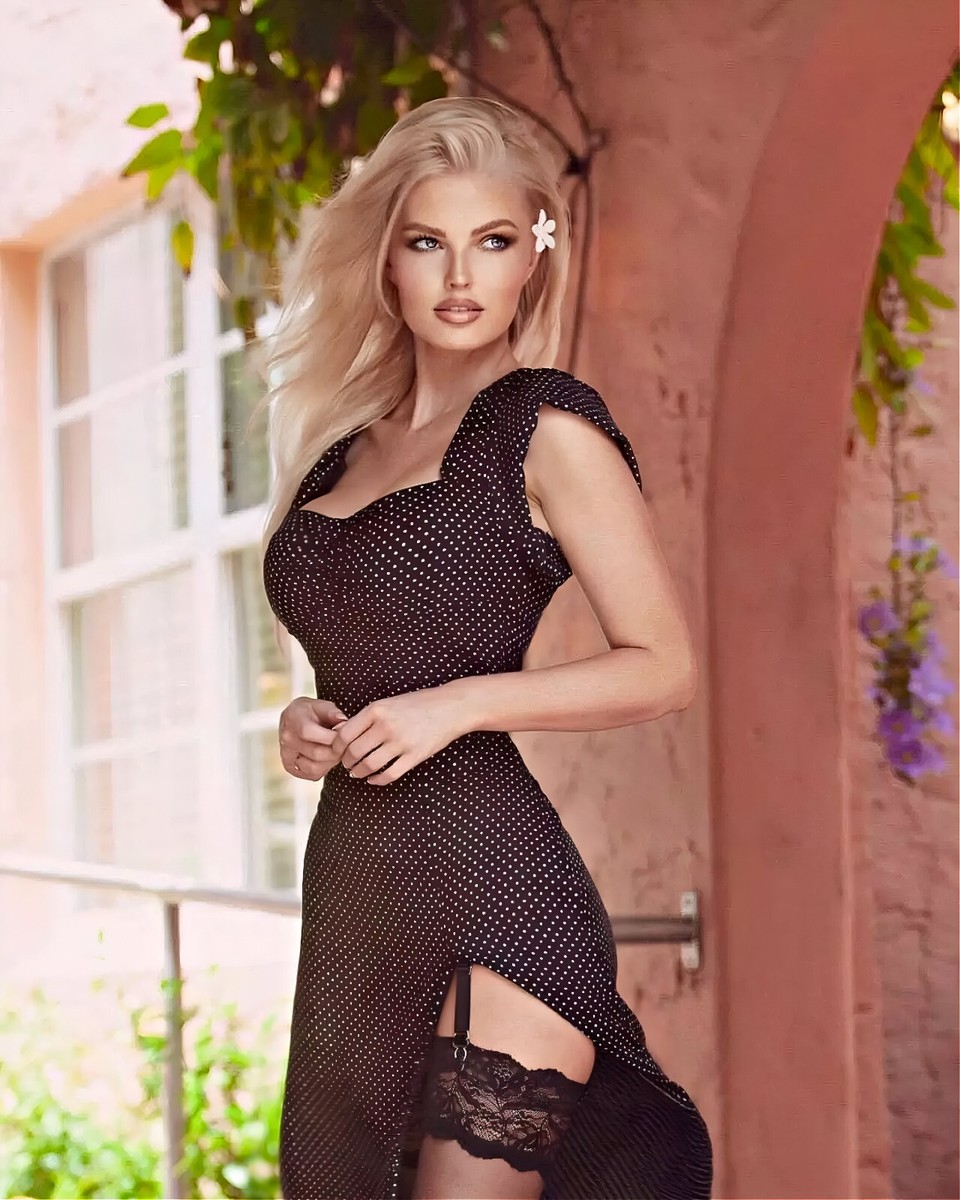
In the refined and understated atmosphere of Copenhagen, where Scandinavian design shapes both architecture and daily life, a quiet yet powerful transformation was unfolding. The Danish capital is celebrated for its minimalist aesthetic, muted color palettes, and seamless blend of function and beauty. Bicycles glide along cobblestone streets, and natural northern light bathes storefronts and homes in a calm glow. Beneath this serene exterior, however, ambition can thrive just as boldly as in any global metropolis. It was in this environment that Zienna Eve Sonne Williams—known professionally as Zienna Eve—began shaping a path that would extend far beyond Denmark’s borders. Her rise from a poised young woman in a design-conscious city to an internationally recognized model reflects not only physical beauty, but also intention, discipline, and strategic growth. Rather than being swept along by opportunity, she appears to have moved with clarity, understanding that true influence requires both patience and purpose.
Born and raised in Copenhagen, Zienna embodied a distinctly Nordic harmony of strength and softness. Her striking green eyes and sculpted features echoed the clean lines and precision often associated with Scandinavian architecture and aesthetics. Yet what set her apart was not simply her appearance, but the composure and depth she carried from an early stage. In many ways, she represented the quiet intensity of her homeland—measured, thoughtful, and grounded. Still, she recognized that success on the international stage demanded evolution. Remaining rooted in Danish sensibility while adapting to the high-speed, high-pressure rhythm of global fashion required balance. Rather than abandoning her identity to fit broader expectations, she refined it. She learned how to honor her origins while expanding her presence, blending authenticity with ambition in a way that felt deliberate rather than reactive.
Her transition from regional talent to global figure required more than runway bookings; it demanded a strategic expansion of self. As she stepped into fashion capitals such as New York, Paris, and Milan, she developed a presence that extended beyond aesthetics. Designers and photographers observed her ability to shift seamlessly between dramatic avant-garde concepts and understated minimalism. This adaptability made her valuable in an industry that prizes versatility, yet she maintained a consistent inner tone that kept her recognizable. She did not merely model garments—she interpreted them, bringing emotional nuance to each campaign and editorial. In crowded casting rooms and fast-paced backstage environments, she distinguished herself not through volume, but through presence. There was a sense that she altered the atmosphere simply by entering it, a quality that elevated her from participant to focal point.
By 2026, her ascent coincided with a broader cultural shift within fashion. Audiences increasingly favored authenticity over spectacle and depth over surface-level glamour. In this climate, Zienna’s openness about balance and well-being resonated strongly. She spoke about the importance of rest, privacy, and mental clarity in a profession often defined by constant exposure and scrutiny. Rather than presenting self-care as indulgent, she framed it as essential maintenance for sustainability. This perspective aligned with growing conversations around mental health and long-term career endurance in creative industries. Her willingness to step back from the spotlight when necessary demonstrated maturity and foresight. Instead of chasing every opportunity, she appeared selective, investing in projects that aligned with her values and creative vision. This restraint strengthened her brand, reinforcing the idea that power can exist quietly and intentionally.
Within the competitive ecosystem of high fashion, composure became one of her defining traits. Backstage chaos, tight schedules, and high-stakes campaigns are common realities, yet colleagues described her as steady and grounding. That emotional intelligence transformed her into more than a model; she became a muse in the modern sense—someone who inspires as much through presence as through appearance. Whether wearing elaborate couture or clean Scandinavian silhouettes, she conveyed a sense of internal alignment. In an era when a model’s influence extends beyond runways into digital platforms and brand storytelling, her ability to foster authentic connection proved invaluable. Fluent across cultures and comfortable navigating diverse creative teams, she bridged markets effortlessly. She understood the rhythm of public engagement—when to lead boldly and when to retreat, preserving the mystique that keeps audiences curious rather than oversaturated.
Resilience ultimately defines her narrative. The fashion industry is notorious for rapid trend cycles, shifting beauty standards, and the volatility of social media attention. Yet Zienna’s career arc suggests a focus on endurance rather than fleeting hype. By continually refining her craft, maintaining professional discipline, and nurturing her creative spirit, she built a foundation designed for longevity. Each collaboration and campaign became part of a steady upward trajectory rather than a temporary spike. Despite international acclaim, she remains distinctly Danish at heart, carrying the clarity, functionality, and understated strength of Copenhagen into every venture. Her story is not simply about fame or aesthetics; it is about intentional evolution. From quiet Nordic beginnings to global recognition, she exemplifies what happens when authenticity meets ambition. In doing so, she proves that a muse can become a powerhouse—not by abandoning her roots, but by amplifying them on a worldwide stage.